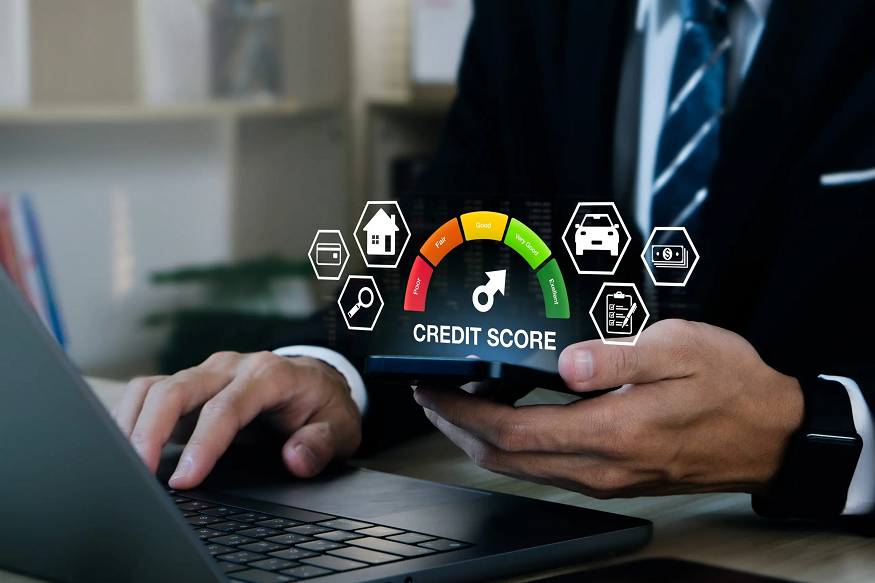
Understanding your financial standing is one of the most important steps toward achieving long term stability. Most people know that a three digit number governs their ability to borrow money, but the mechanics behind that number often remain a mystery. This number acts as a summary of your creditworthiness, telling lenders how likely you are to repay what you owe.
When you apply for a loan or a new credit card, the lender looks at this figure to decide whether to approve your application. It also influences the interest rates you are offered. A high score can save you thousands of dollars over time, while a low score can make even basic financial tasks much more difficult.
The Foundation of Credit Assessment
The process of estimating a credit score begins with the data collected by credit bureaus. These organizations gather information from various financial institutions, including banks, credit unions, and non-banking financial companies. Every time you take out a loan or use a credit card, that activity is reported. This data includes your payment history, the amount of debt you carry, and the types of credit accounts you hold.
Your CIBIL score is a reflection of this historical data. It is not a static number that stays the same forever. Instead, it is a dynamic representation of your financial behavior over the last several years. Because lenders report data at different times, your score might look slightly different depending on when it is checked. This constant flow of information ensures that the score remains a current reflection of your financial habits.
The Core Components of the Estimation Process
To understand how the final number is reached, you have to look at the different factors that carry weight in the calculation. The most significant factor is almost always your payment history. Lenders want to see that you pay your bills on time every single month. Even one late payment can stay on your record for years and cause a noticeable dip in your rating.
Another major factor is credit utilization. This refers to how much of your available credit limit you are actually using. If you have a total limit of one thousand dollars and you consistently carry a balance of nine hundred dollars, you are seen as high risk. Keeping your utilization low, ideally below thirty percent, shows that you are not overly dependent on borrowed money. The length of your credit history also matters. Older accounts provide more data and show a longer track record of reliability.
How the Estimation Logic Works
Many people turn to a CIBIL score calculator to get a sense of where they stand before applying for a major loan. These tools use algorithms to simulate how different financial actions might affect your overall standing. While the exact mathematical formulas used by bureaus are proprietary, these calculators provide a very close approximation based on the standard weightage of different factors.
The estimation logic is designed to reward consistency. It looks for patterns rather than isolated incidents. For example, if you have five years of perfect payments and one small slip, the system might be more forgiving than if you have a history of sporadic payments. The goal of the calculation is to provide a predictive model. It tells the lender the probability of a default occurring within the next twelve months.
Why Your Credit Score Fluctuates Over Time
It is very common to see your score change by a few points from month to month. These small shifts are usually nothing to worry about. They often happen because of the timing of your credit card cycles. If a bureau pulls your data right after a large purchase but before you pay the bill, your utilization will look higher than it actually is. Once the payment is processed and reported, the score usually bounces back.
More significant changes occur when there are shifts in your credit profile. Opening several new accounts in a short period can cause a drop. This is because each application triggers a hard inquiry, which suggests you might be in urgent need of cash. Similarly, closing an old account can hurt your score because it reduces your total available credit and shortens your average account age. Understanding these triggers helps you manage your financial moves more strategically.
The Role of Credit Mix and New Credit
A healthy credit profile usually contains a mix of different types of debt. This might include revolving credit, like credit cards, and installment loans, like a car loan or a mortgage. Having a diverse mix shows that you can manage different types of repayment schedules and terms. While you should never take out a loan just to improve your mix, it is a factor that the estimation process considers.
New credit is another area where many people run into trouble. Every time you apply for credit, the lender performs a deep check on your history. These hard inquiries stay on your report for a while. If you apply for five different cards in one week, it sends a red flag to the system. It is always better to space out your applications and only apply for credit when you truly need it.
Common Misconceptions About Credit Scoring
There are many myths surrounding how a CIBIL score is determined. One of the most common is the idea that your income affects the number. In reality, your salary has no direct impact on your credit score. A person earning a modest wage can have a much higher score than a millionaire if they manage their debts more responsibly. Lenders will look at your income separately to determine your debt to income ratio, but the score itself is strictly about your history with debt.
Another misconception is that checking your own score will lower it. This is false. When you check your own standing, it is considered a soft inquiry. Soft inquiries do not affect your score at all. Only hard inquiries, which are initiated by a lender when you apply for credit, have the potential to lower your points. Regularly monitoring your status is actually a good habit that helps you catch errors or signs of identity theft early.
The Long Term Impact of Financial Discipline
A high credit score is not something that happens overnight. It is the result of months and years of responsible choices. While it can take a long time to build a great score, it can be damaged very quickly by a few poor decisions. This is why it is so important to understand the mechanics of how these numbers are estimated.
By using a CIBIL score calculator and staying informed about your financial habits, you take control of your future. A good score opens doors to better housing, lower insurance premiums, and more favorable loan terms. It provides a safety net that allows you to access capital when you need it most. Ultimately, your credit score is a reflection of your commitment to your financial health, and maintaining it is one of the best investments you can make in yourself.